
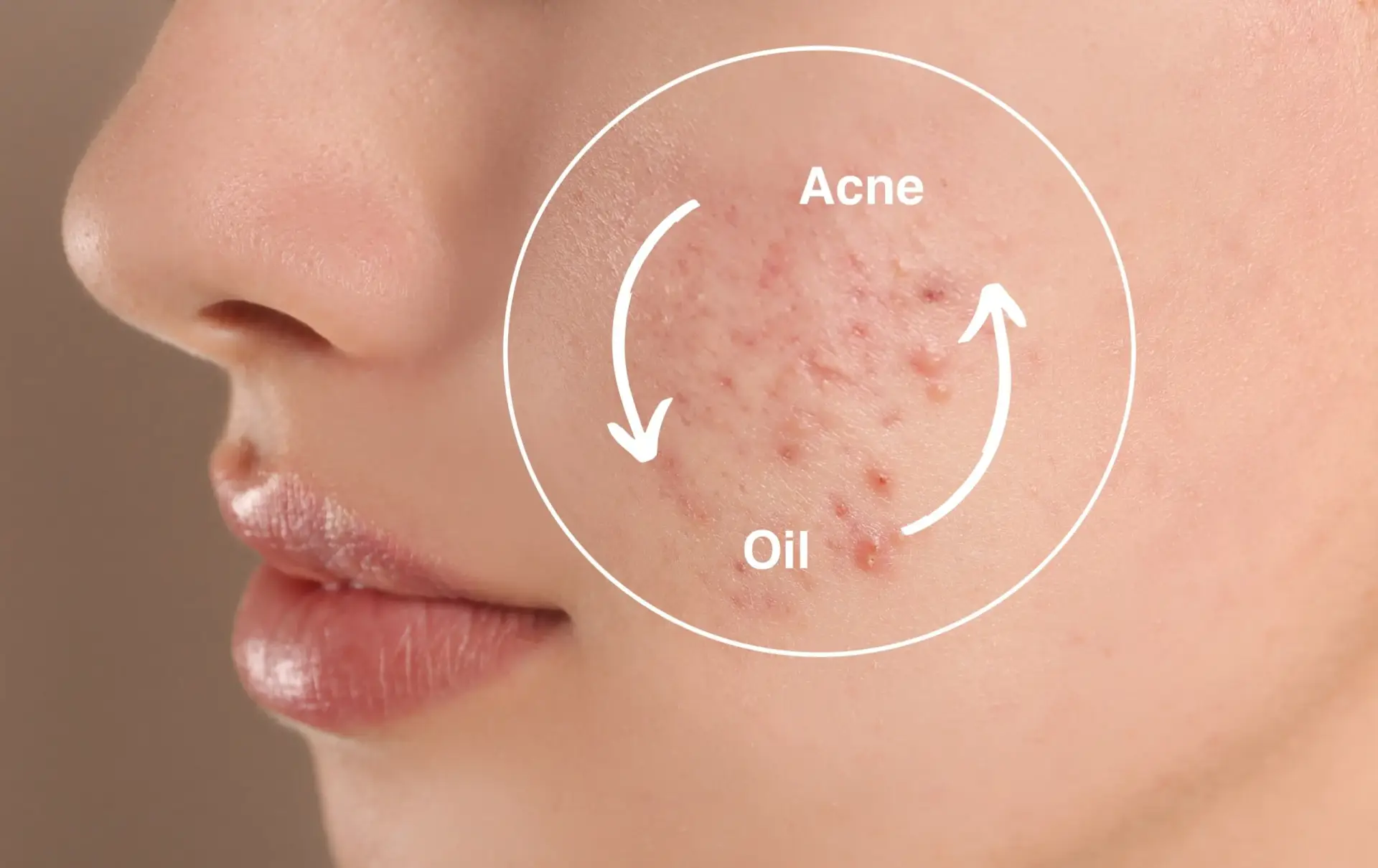
If you’ve been dealing with oily, acne prone skin, you already know it can feel like a daily challenge. One moment your face looks fresh, and the next it’s shiny, greasy, and on the edge of a breakout. It’s frustrating — especially when you’re trying product after product and not seeing results. But the truth is, oily skin isn’t the enemy. With the right care and a simple, consistent routine, you can reduce shine, minimize breakouts, and finally feel confident in your skin again.
Many people don’t realize that oily skin often reacts this way because it’s trying to protect itself. Sometimes it’s over-cleansing, using harsh scrubs, or skipping moisturizer that pushes the skin to produce even more oil. And when excess oil mixes with clogged pores, irritation, or bacteria… acne shows up.
The good news? Managing oily, acne prone skin doesn’t have to be complicated. A gentle facial cleanser and lightweight cream can make a huge difference — especially when they’re designed specifically for oily skincare needs. In this article, we’ll walk through practical tips, common mistakes, and how to choose skincare products for oily skin that actually work.
Understanding the Root of Oily and Acne Prone Skin
Oily skin produces more sebum than necessary, and while sebum is helpful for protecting the skin barrier, too much of it can clog pores. When mixed with dead skin cells, sweat, and bacteria, acne becomes almost unavoidable.
Why Does This Happen?
Several factors influence oily, acne prone skin:
- Hormonal changes
- Genetics
- Over-cleansing or harsh skincare
- Humid climate
- Not moisturizing properly
- Using the wrong skincare products
Many people assume oily skin doesn’t need hydration, but skipping moisturizer can trigger the skin to produce even more oil, making the problem worse.
Common Mistakes People With Acne Prone Skin Make
Before jumping into solutions, it’s important to understand what might be making the issue worse:
- Using scrubs that are too harsh — They can irritate the skin and cause more breakouts.
- Washing the face too often — This strips natural oils and triggers more oil production.
- Skipping moisturizer — This leads to dehydration, which signals the skin to produce even more oil.
- Using heavy creams not made for oily skin — These can clog pores easily.
- Sleeping with makeup on — A quick way to invite breakouts.
Fixing these simple habits can already help calm your skin.
How to Build a Skincare Routine for Acne Prone Skin
A good routine doesn’t need to be complicated. What matters most is choosing the right products and sticking to them consistently.
Start With a Gentle Facial Cleanser
A facial cleanser is the foundation of any skincare routine. For oily skin, look for:
- Gel or foam textures
- Non-comedogenic formulas
- Ingredients like salicylic acid, niacinamide, or zinc
These help remove excess oil without stripping the skin. And that’s the key — clean but not dry.
Moisturizing Without Making Your Skin Oily
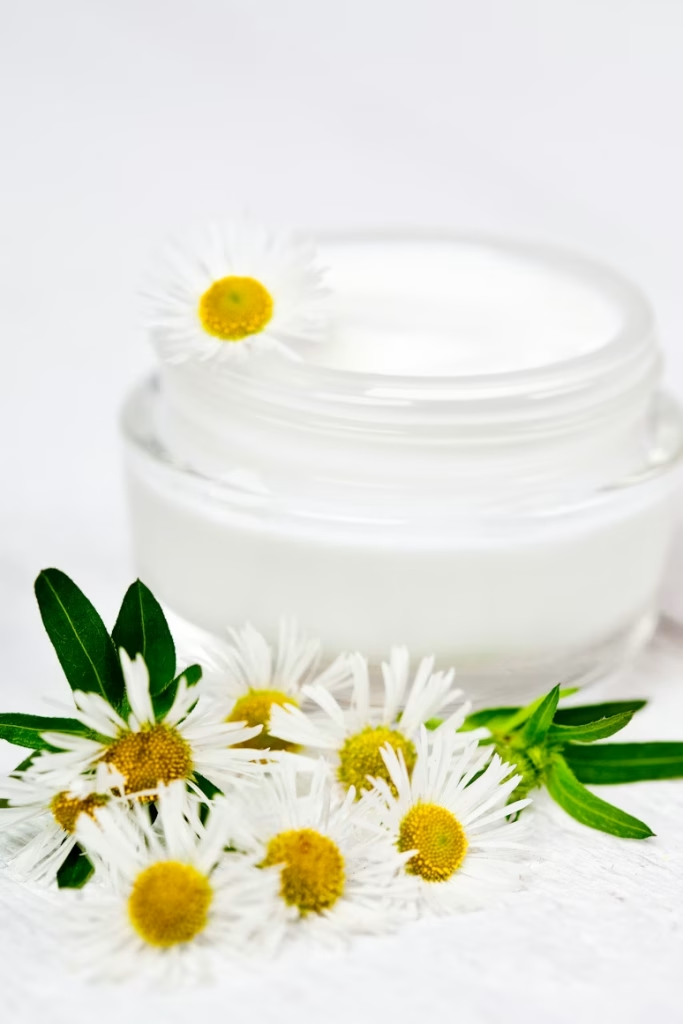
One of the biggest myths is that oily skin doesn’t need moisturizer. In reality, using the right cream can help regulate oil production and keep your skin balanced.
Choose moisturizers that are:
- Lightweight
- Oil-free
- Quick-absorbing
- Non-greasy
These keep the skin hydrated without clogging pores.
Product Highlight: Skincare Products for Oily Skin
Here’s a simple, friendly product description created for your blog:
Skincare Products for Oily Skin
A gentle, science-backed set designed specifically for oily and acne prone skin. The routine includes a purifying facial cleanser that lifts away excess oil without irritation, and a lightweight cream that hydrates while keeping pores clear. Ideal for those who want balanced, fresh, shine-controlled skin every day. Suitable for both teens and adults struggling with breakouts, clogged pores, or oily T-zones.
This product fits naturally into the routine as a helpful tool — not the centerpiece of the article.
Practical Tips to Reduce Oiliness and Breakouts
Living with acne prone skin can feel overwhelming, but small changes can make a big difference.
Cleanse Twice a Day
Morning and night are enough. Over-washing will only cause more oil.
Use a Good Moisturizer
Even oily skin needs hydration. Look for oil-free or water-based formulas.
Don’t Skip Sunscreen
Choose a gel sunscreen that doesn’t clog pores. Sun damage makes breakouts worse.
Avoid Heavy Makeup
If you wear makeup, pick non-comedogenic products and remove them completely at night.
Keep Hands Off Your Face
Touching your skin transfers bacteria, causing more pimples.
Stay Consistent
The biggest mistake? Changing products too quickly.
Give your skin at least two weeks to adjust.
How Facial Cleansers Help Improve Acne Prone Skin
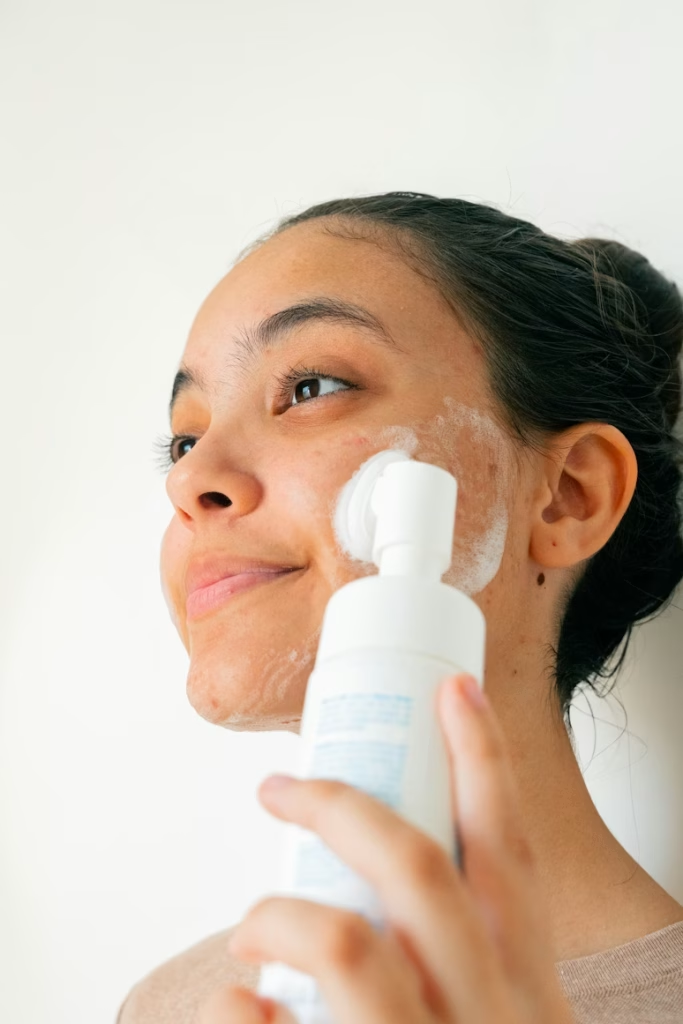
A good cleanser does more than remove dirt. It helps:
- Reduce pore congestion
- Control sebum production
- Prevent new breakouts
- Remove bacteria buildup
- Prepare the skin for the next steps in your routine
For acne prone skin, consistency is everything. Stick to the same cleanser and cream for long-term results.
How the Right Cream Keeps Oily Skin Under Control
A well-formulated cream balances hydration with oil-control ingredients. It can also help calm redness and prevent irritation caused by acne treatments.
Benefits of the right moisturizer:
- Keeps the skin hydrated
- Prevents overproduction of oil
- Improves skin texture
- Reduces the appearance of pores
- Helps control shine throughout the day
Look for ingredients like niacinamide, hyaluronic acid, and lightweight plant extracts that help mattify the skin.
Lifestyle Habits That Help Control Acne Prone Skin
Skincare isn’t just about products. Your daily habits matter too.
Better Diet Choices
Certain foods can trigger oil production and inflammation. Try reducing:
- Fried foods
- Sugary snacks
- Dairy (for some people)
Add more:
- Water
- Fruits high in antioxidants
- Lean proteins
- Omega-3 fatty acids
Clean Pillowcases Regularly
Oil and bacteria from your skin (and hair) build up quickly.
Manage Stress
Stress increases cortisol, which increases oil production.
Even small habits like walking or breathing exercises help.
When to See a Professional
If breakouts become painful, cystic, or constant, it might be time to consult a dermatologist. Skincare can help control symptoms, but some types of acne need professional treatment.
Conclusion
Managing oily and acne prone skin doesn’t have to feel like a losing battle. With gentle products, a simple routine, and a bit of consistency, you can calm breakouts and keep your skin balanced. The key is understanding what your skin needs — not drying it out, but supporting it with the right cleanser, moisturizer, and daily habits.
If you’re ready to explore more tips or find skincare products designed specifically for oily skin, feel free to browse our guides and resources. Healthy, glowing skin is absolutely within reach — one small step at a time.